grab yourself a snack from the
:::::::::: ::::::::: ::::::::::: ::::::::: :::::::: ::::::::
:+: :+: :+: :+: :+: :+: :+: :+: :+: :+:
+:+ +:+ +:+ +:+ +:+ +:+ +:+ +:+
:#::+::# +#++:++#: +#+ +#+ +:+ :#: +#++:
+#+ +#+ +#+ +#+ +#+ +#+ +#+ +#+# +#+
#+# #+# #+# #+# #+# #+# #+# #+# #+# #+#
### ### ### ########### ######### ######## ########
.org
loading time...
fridg3.org Server Time (GMT)
loading...
CPU usage
loading...
Memory used
loading...
Disk used
loading...
Disk available
  ooooo oooooooooo  oooo   oooo ooooo
   888   888    888  8888o  88   888
   888   888oooo88   88 888o88   888
   888   888  88o    88   8888   888      o
   888  o888o  88o8 o88o    88  o888ooooo88
8o888
      :::::::::: :::::::::: :::::::::: :::::::::
     :+:        :+:        :+:        :+:    :+:
    +:+        +:+        +:+        +:+    +:+
   :#::+::#   +#++:++#   +#++:++#   +#+    +:+
  +#+        +#+        +#+        +#+    +#+
 #+#        #+#        #+#        #+#    #+#
###        ########## ########## #########
`7MMpMMMb.pMMMb.`7MM  `7MM  ,pP"Ybd `7MM  ,p6"bo
  MM    MM    MM  MM    MM  8I   `"   MM 6M'  OO
  MM    MM    MM  MM    MM  `YMMMa.   MM 8M
  MM    MM    MM  MM    MM  L.   I8   MM YM.    ,
.JMML  JMML  JMML.`Mbod"YML.M9mmmP' .JMML.YMbmd'
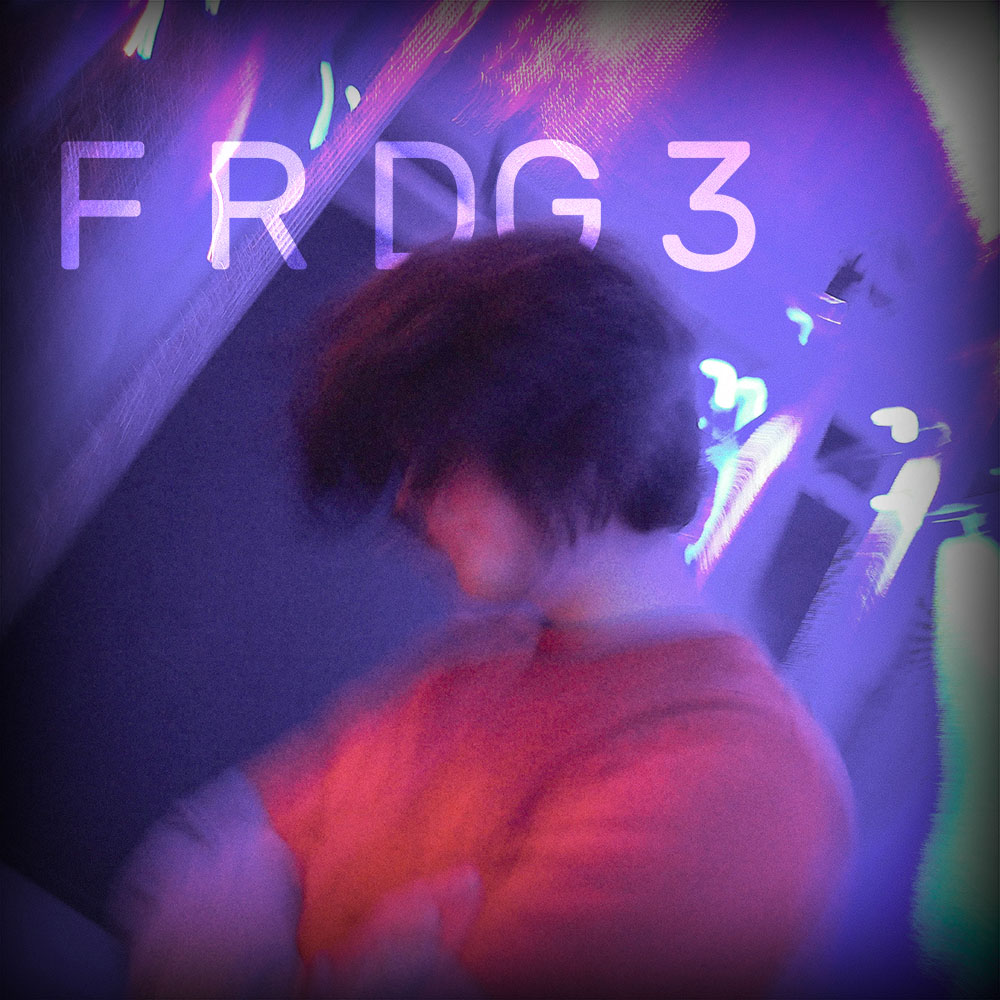
moving forward
Single
Original by Pendulum
Original by Pendulum
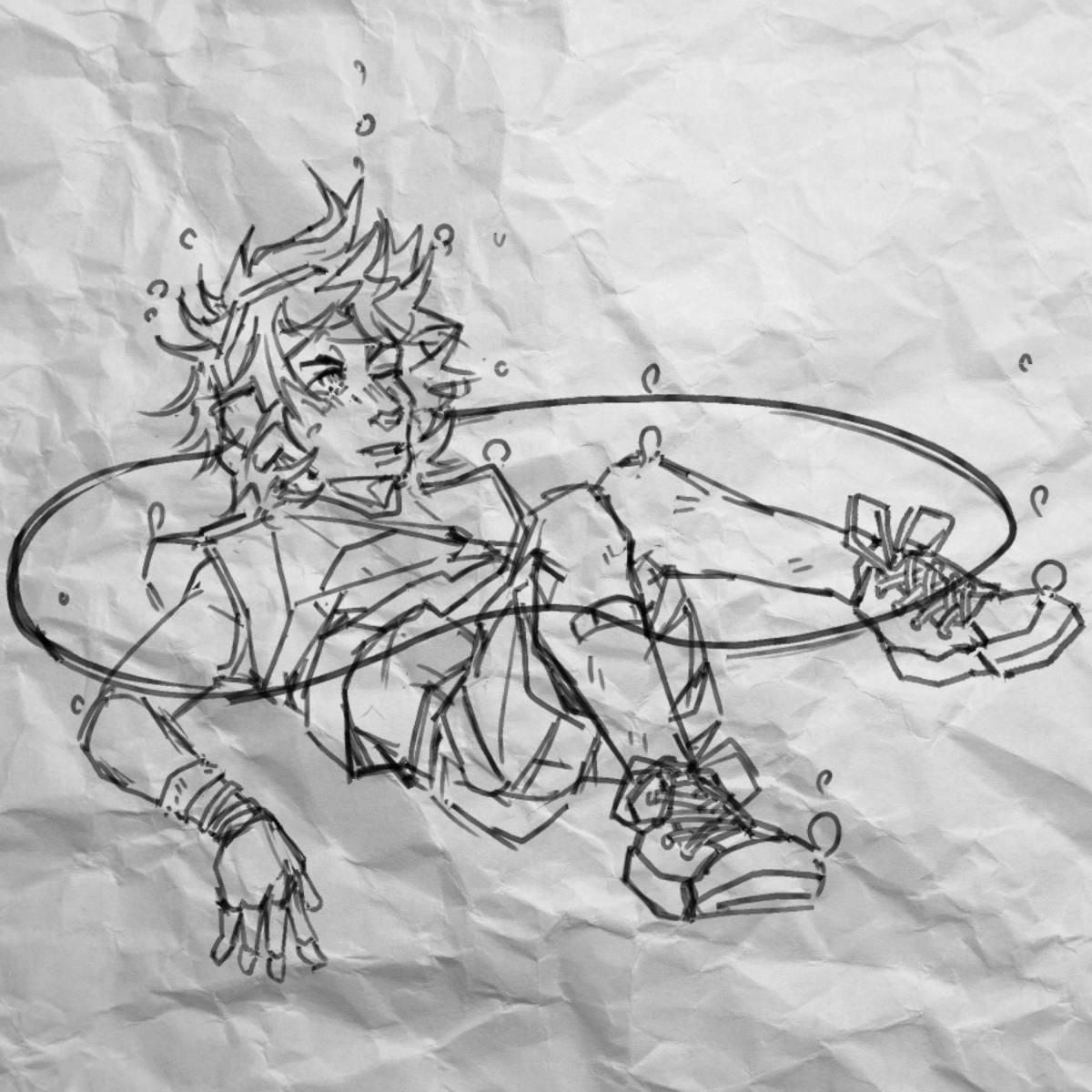
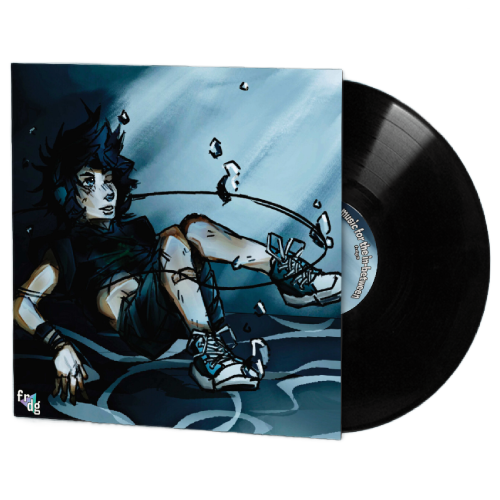
more for the in-between
Album
Art by smol_included
Art by smol_included
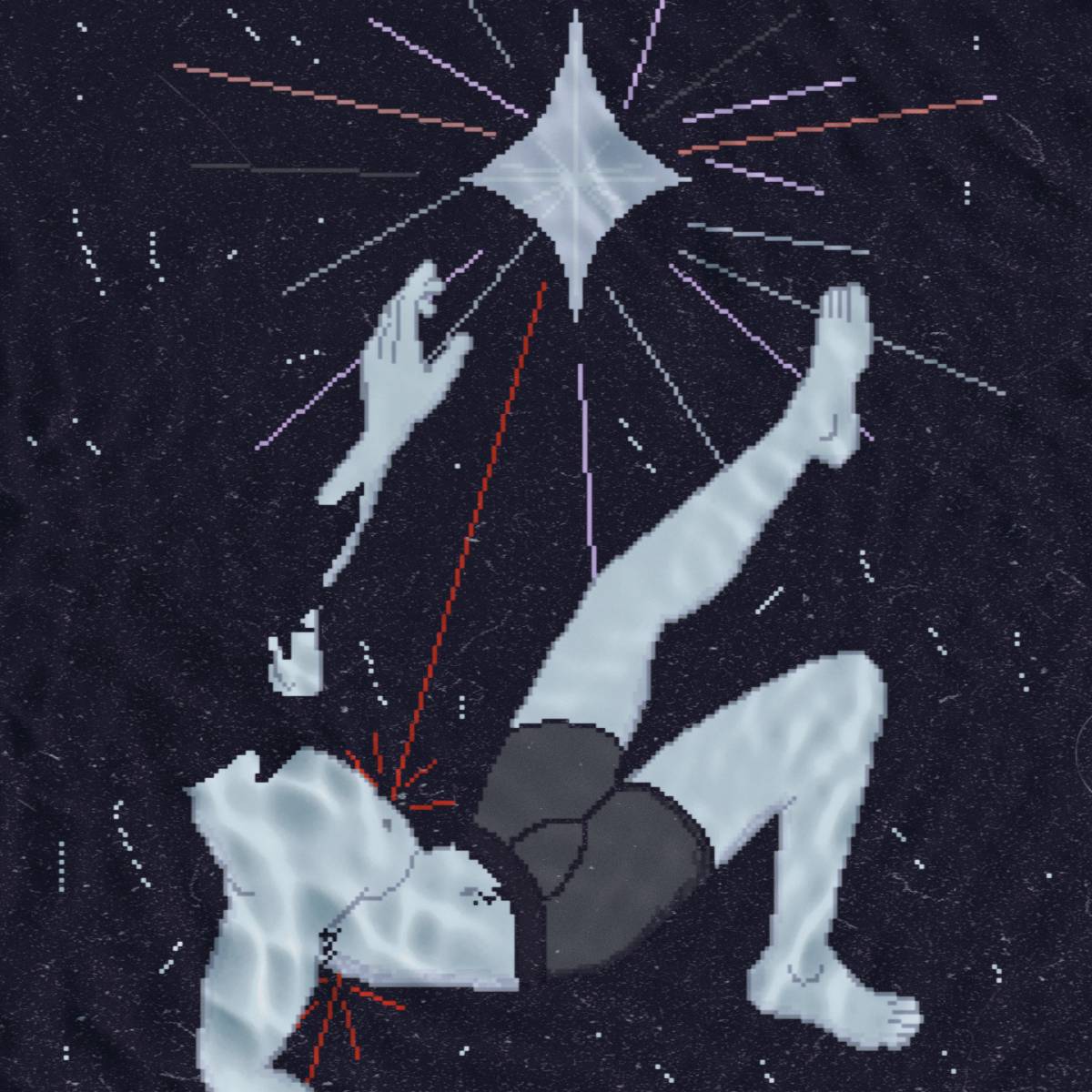
eternal drift
Single
Art by KumoByte
Art by KumoByte
.        :  .,:::::: :::::::..     .,-:::::   ::   .:
;;,.    ;;; ;;;;'''' ;;;;``;;;;  ,;;;'````'  ,;;   ;;,
[[[[, ,[[[[, [[cccc   [[[,/[[['  [[[        ,[[[,,,[[[
$$$$$$$$"$$$ $$""""   $$$$$$c    $$$        "$$$"""$$$
888 Y88" 888o888oo,__ 888b "88bo,`88bo,__,o, 888   "88o
MMM  M'  "MMM""""YUMMMMMMM   "W"   "YUMMMMMP"MMM    YMM